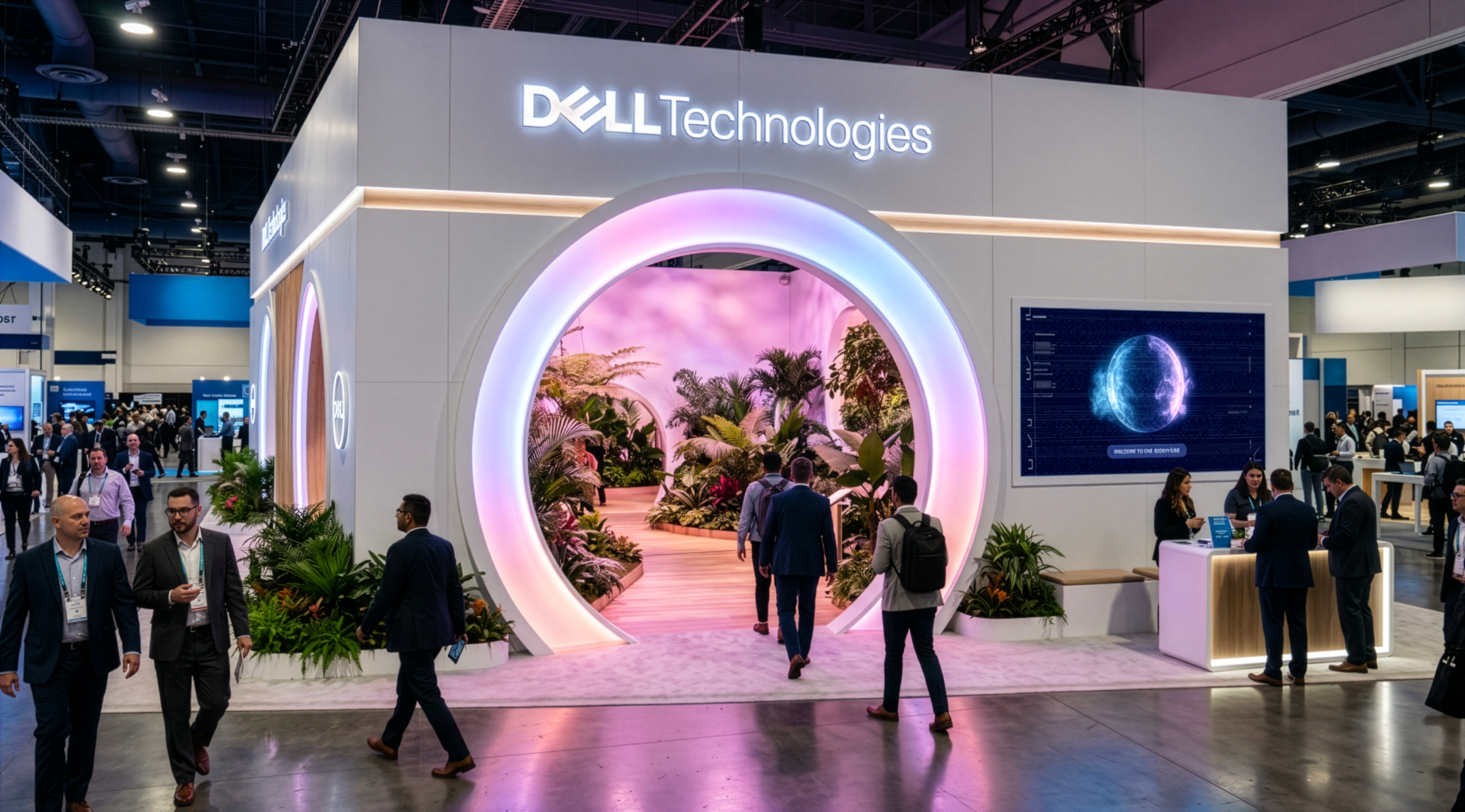
Challenge: The project for Dell Technologies World Expo needed to raise awareness about the environmental impact of emissions through an immersive experience. The challenge was to create a compelling, interactive narrative that both educated and engaged visitors, making them reflect on climate change and its consequences.
Solution: By creating a decade-based immersive journey, we visualized future environmental scenarios through AR, tactile installations, and narrative storytelling. Visitors were guided through the 2030s, 2040s, and a hopeful 2050, where technology and design showcased potential paths forward. The experience combined visuals, sound, and interaction to educate and leave a lasting impression about the importance of emissions reduction, fostering an engaging and educational space for visitors.
Deliverables
A climate story you could step into.
The Biosphere was conceived as a multisensory exploration of climate action and Dell Technologies’ ambition to reach net-zero emissions by 2050. Rather than simply presenting information, the concept invited visitors to experience possible futures through physical environments, interaction, and storytelling.
A world at net-zero, experienced through the senses.
Invite
Build anticipation and introduce the experience through digital onboarding.
Guide
Meet FLUX, a virtual companion connecting the narrative to Dell’s sustainability goals.
Immerse
Move through environmental scenarios, from water and heat to a hopeful net-zero future.
Extend
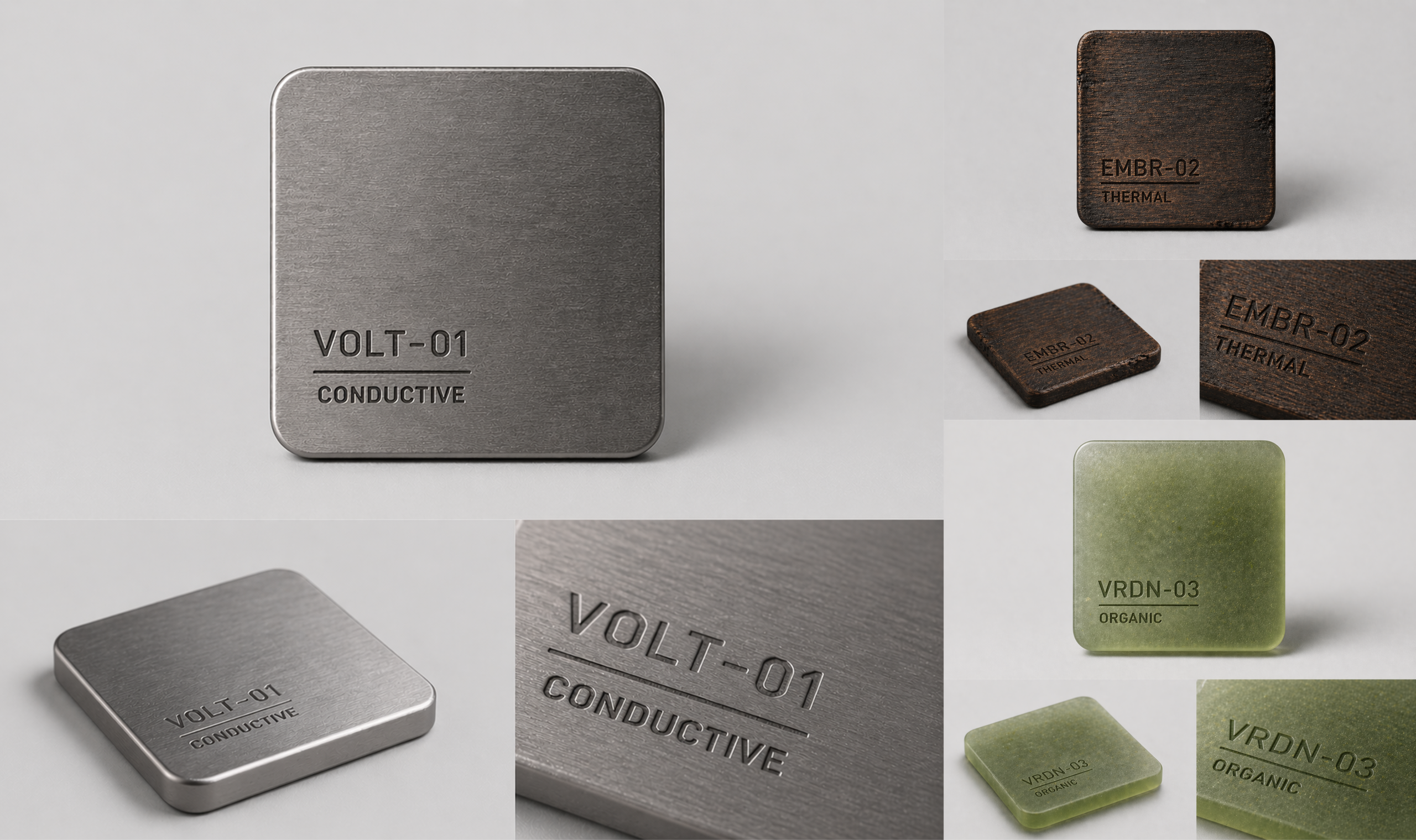
Take home sensory reminders designed to keep the conversation going.
Creative direction,
shared execution.
As Creative Director in a five-person team, I helped guide the concept’s creative direction and connect the different disciplines into one coherent experience. The team included development, interaction design, writing, and multimedia design.
The work shown is a collaborative proposal. Individual assets are presented as part of the team’s shared output.
Your guide through possible futures.
FLUX was conceived as the virtual assistant connecting visitors to the story of The Biosphere. Through onboarding and guided storytelling, FLUX would introduce Dell’s sustainability ambitions and help visitors navigate the experience.
FLUX assistant concept animation. This version contains no audio.
A familiar presence in an unfamiliar future.
Rather than presenting each environment as a disconnected installation, FLUX would act as a narrative thread, helping visitors understand where they were, what they were seeing, and why each scenario mattered.
The assistant was designed to support the transition from the introductory Assist stage into Voltz, Ember, and Verdant.
One story. Four moments.
The pitch proposed an experience that begins before arrival and moves through four narrative moments. Visitors meet FLUX at the entrance, explore two climate scenarios, then gather in a restorative 2050 lounge. The floor plan makes that sequence tangible.
Assist
Meet FLUX and discover the purpose of the journey.
Voltz
Explore rainfall, rising tides, and the growing force of water.
Ember
Confront warming, drought, and pressure on food systems.
Verdant
Imagine the possibilities of a thriving, net-zero world.
The proposed physical layout / visitor route
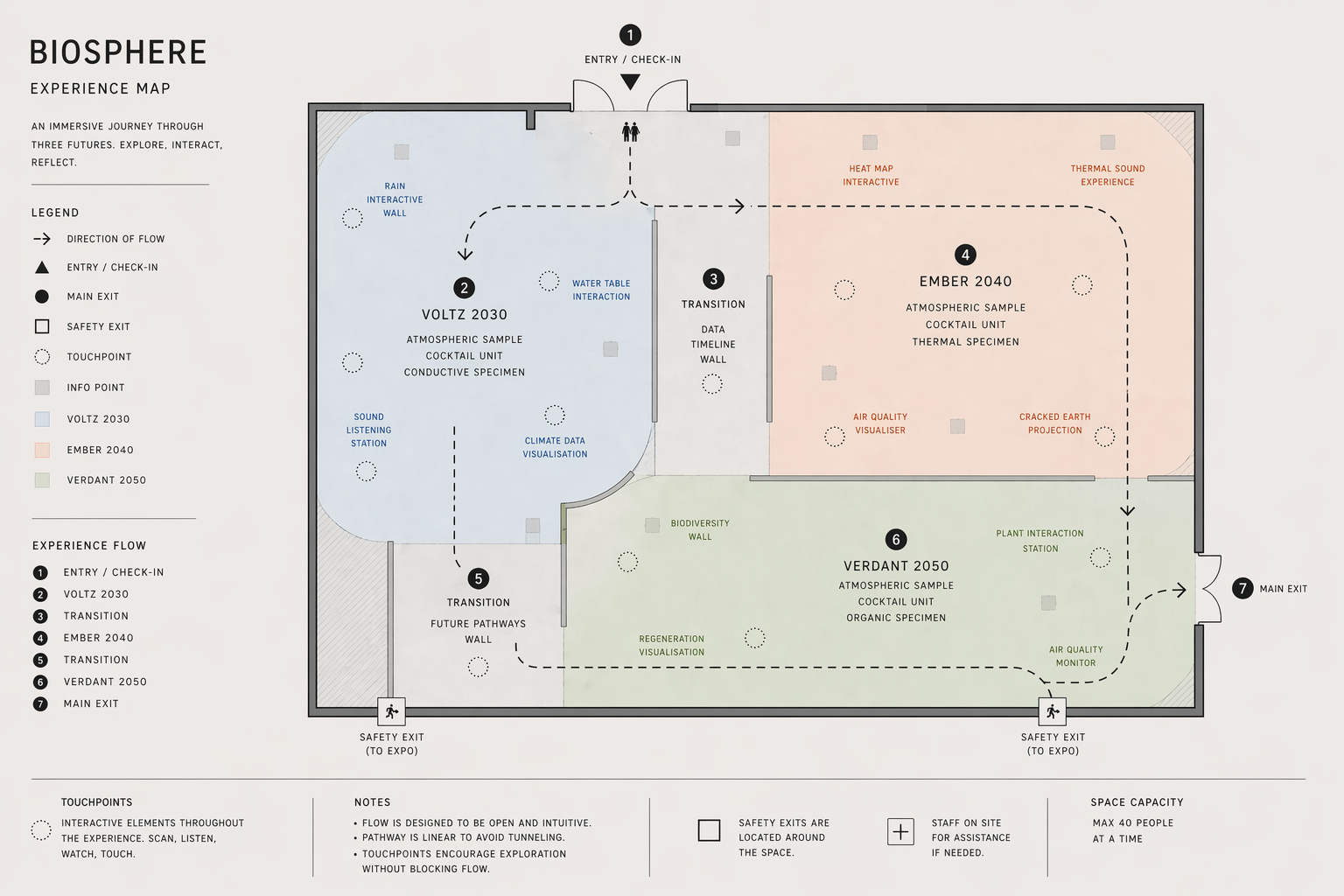
Arrival / Assist
Enter through the introduction, meet FLUX, and learn how the journey connects to Dell’s net-zero ambitions.
2030 / Voltz
Move into the water-focused environment, exploring rainfall, storms, and rising seas.
2040 / Ember
Continue into the heat-focused environment, confronting wildfire, drought, and pressure on crops.
2050 / Verdant
Arrive at the green central lounge: a social space for reflection, themed drinks, and imagining a net-zero future.
The spatial visualisation follows the visitor journey from Assist through Voltz and Ember to Verdant.
Voltz.
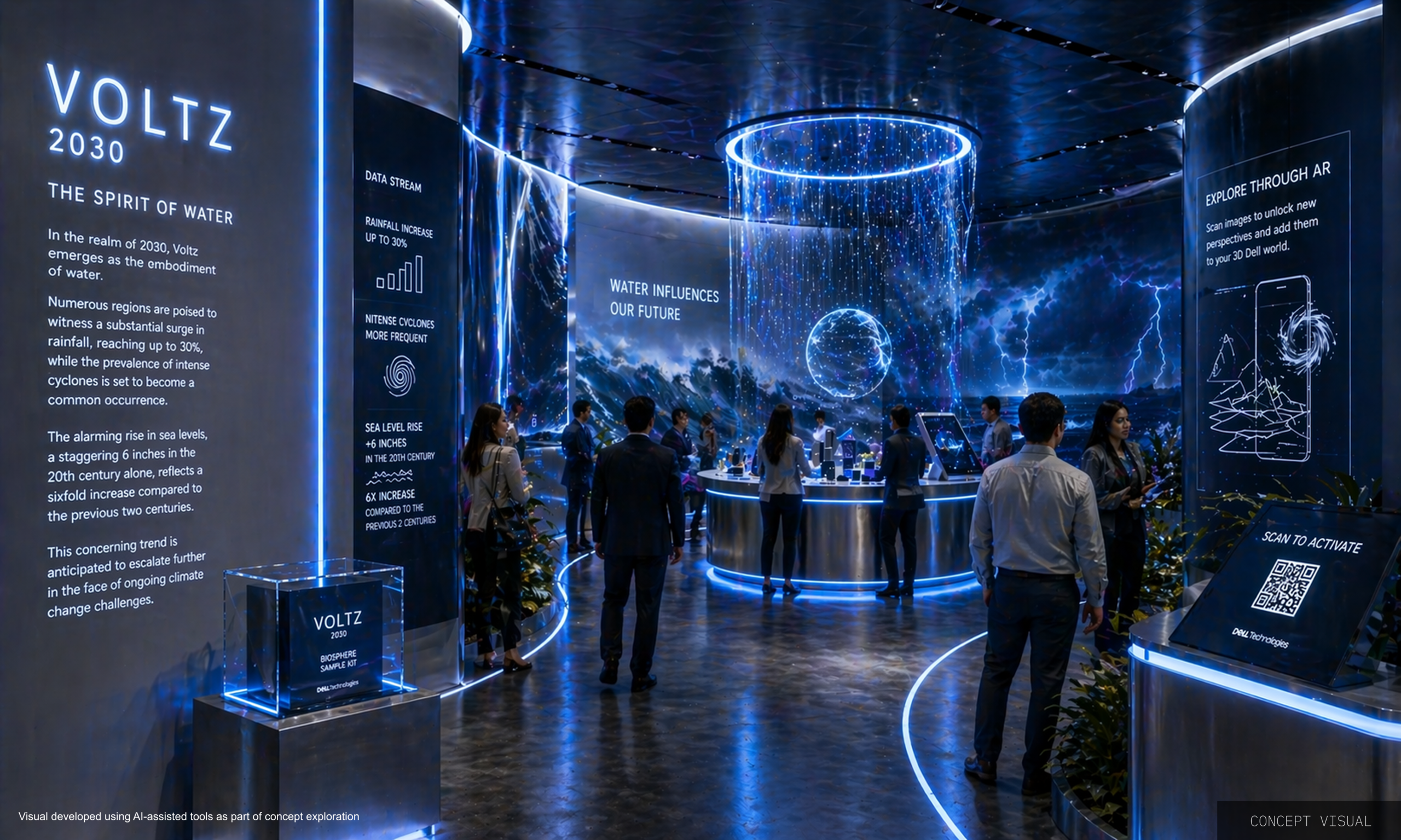
Feel the changing force of water.
Voltz imagines a future shaped by intensified rainfall, rising sea levels, and cyclones. In the proposed experience, atmospheric effects, environmental information, and interactive moments would turn climate data into something visitors could encounter rather than simply read.
Ember.
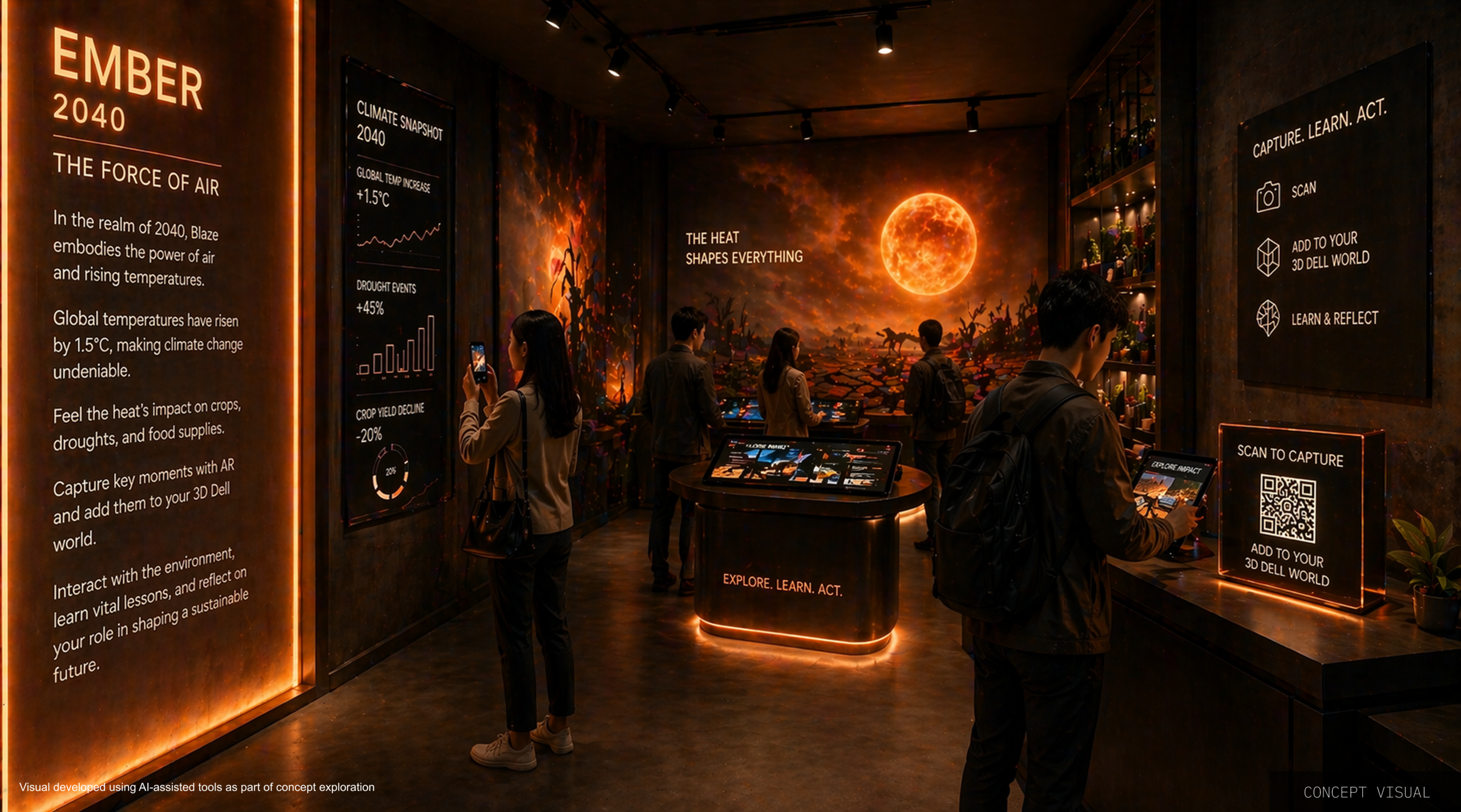
Make rising temperatures impossible to ignore.
Ember brings the consequences of extreme heat into focus: drought, crop losses, and changing environmental conditions. The narrative uses an increasingly intense atmosphere to encourage reflection on the urgency of collective climate action.
Verdant.
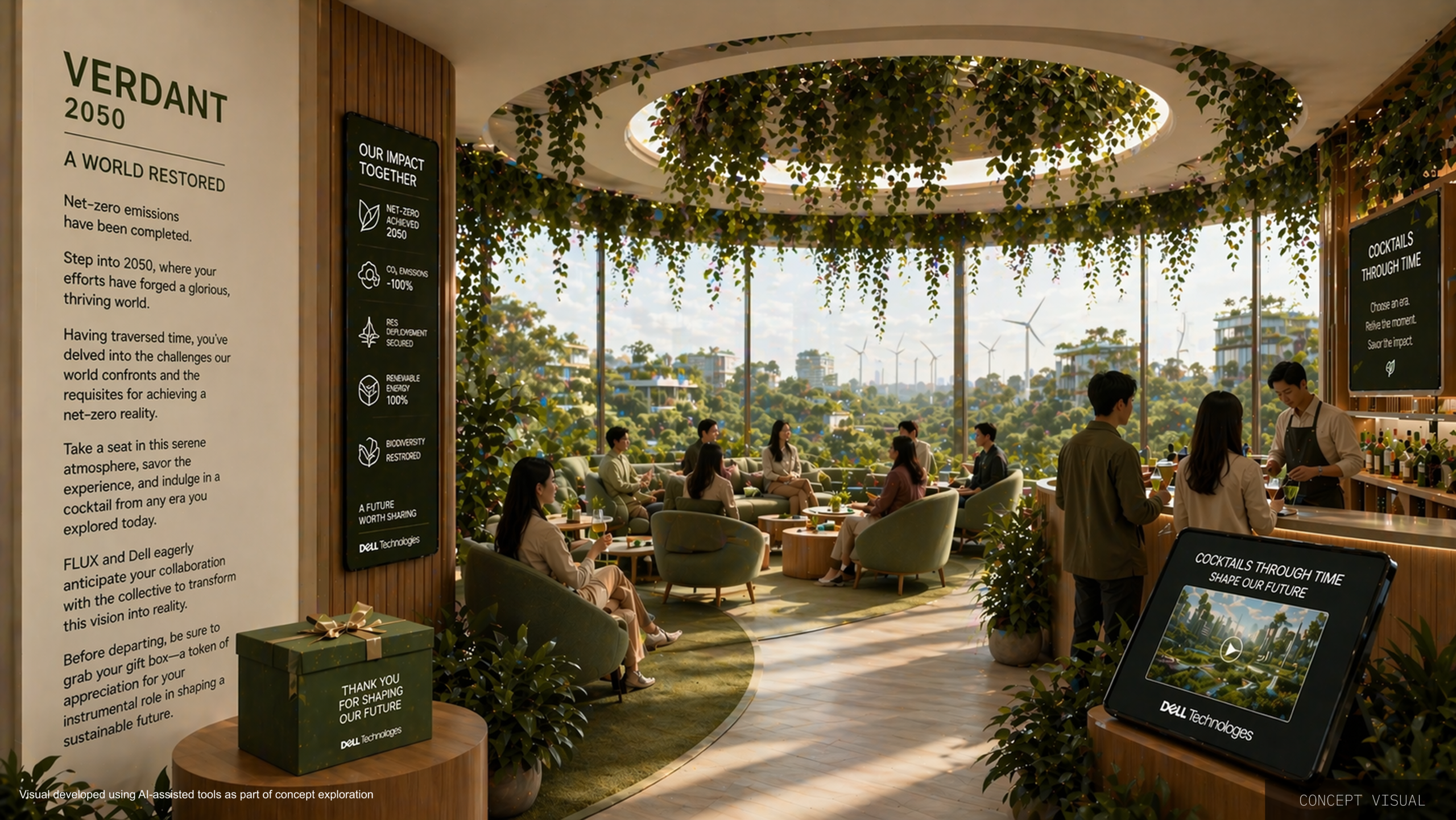
End not with fear, but possibility.
The journey culminates in a lush, restorative social space: somewhere to pause, connect, and imagine a better future.
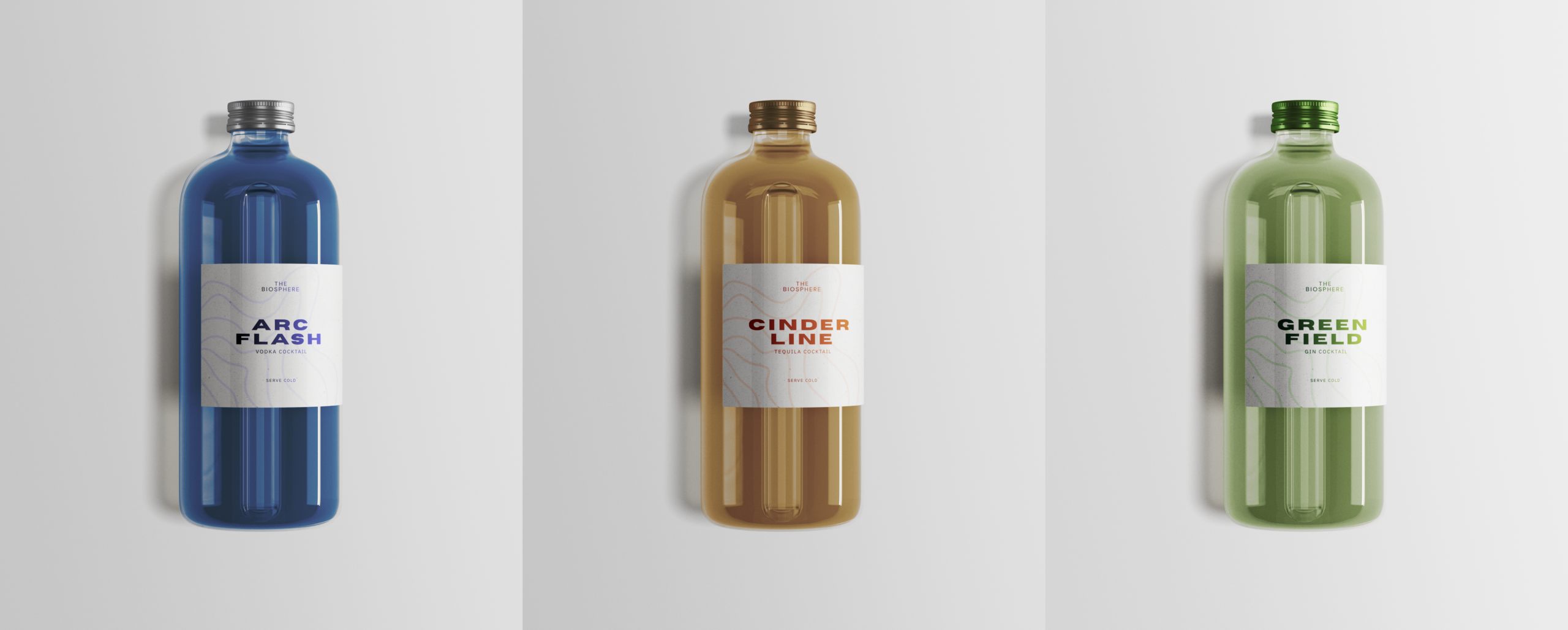
The original pitch proposed a lounge with themed cocktails, conversation, and an invitation to participate in the collective effort to make a net-zero world possible.
An experience that stays with you.
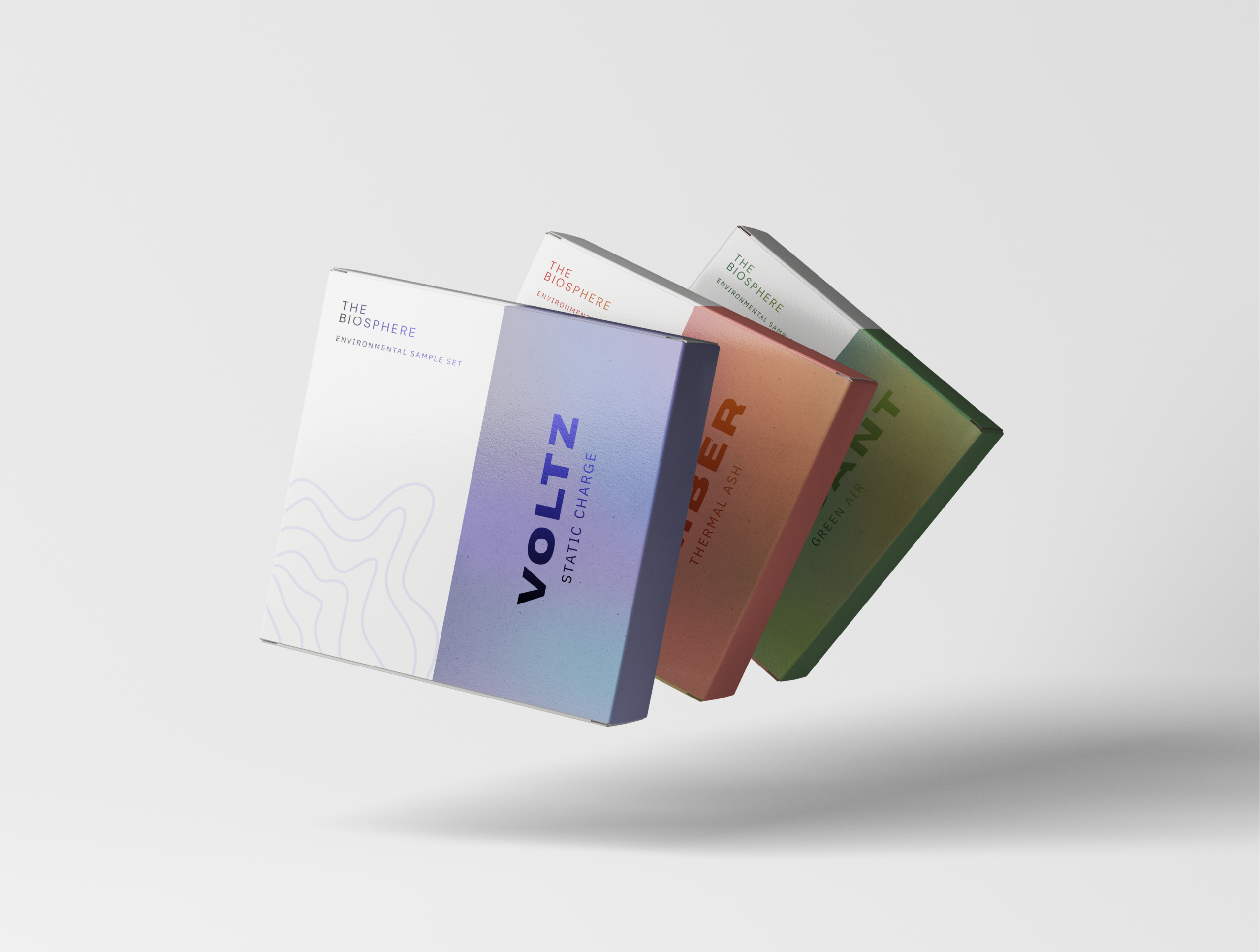
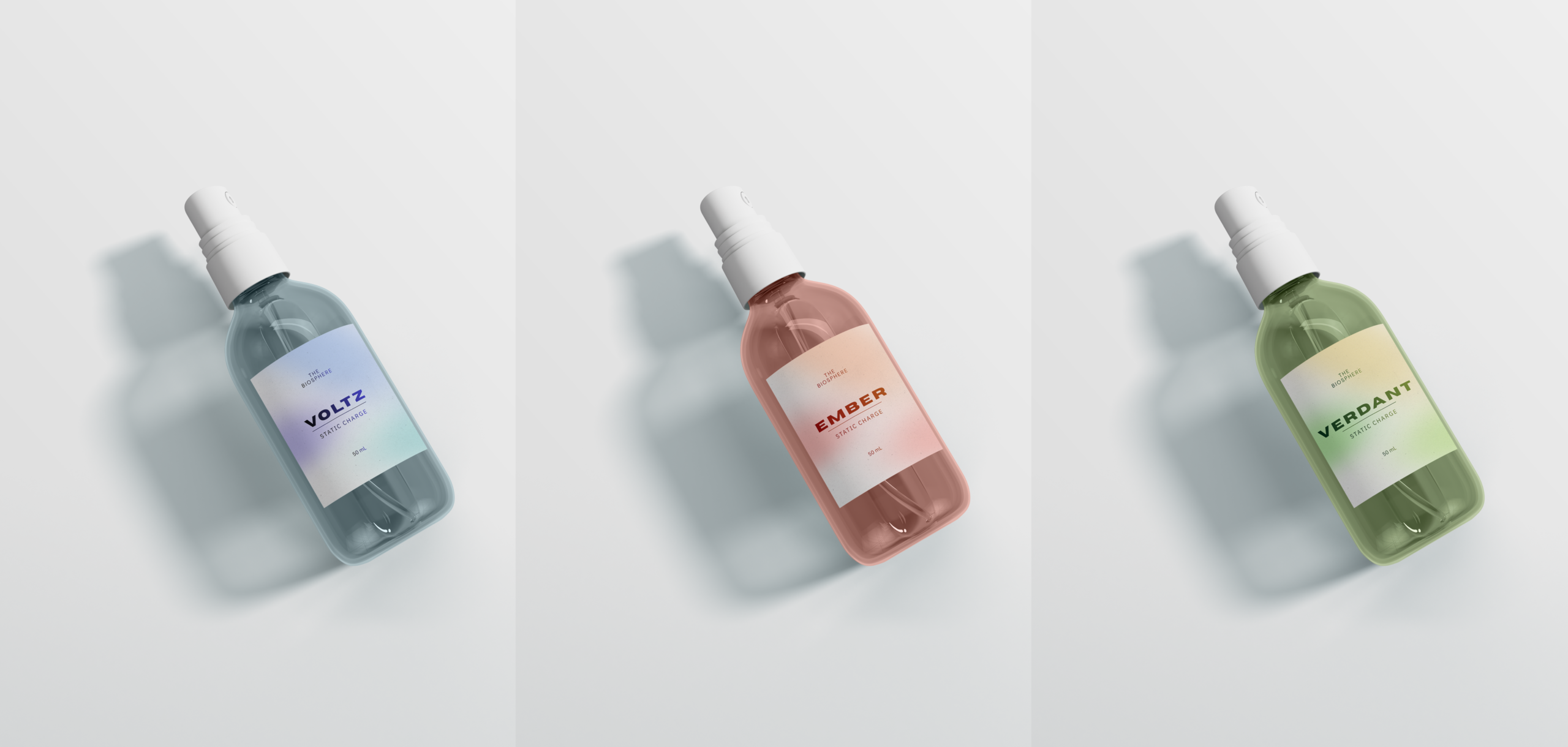
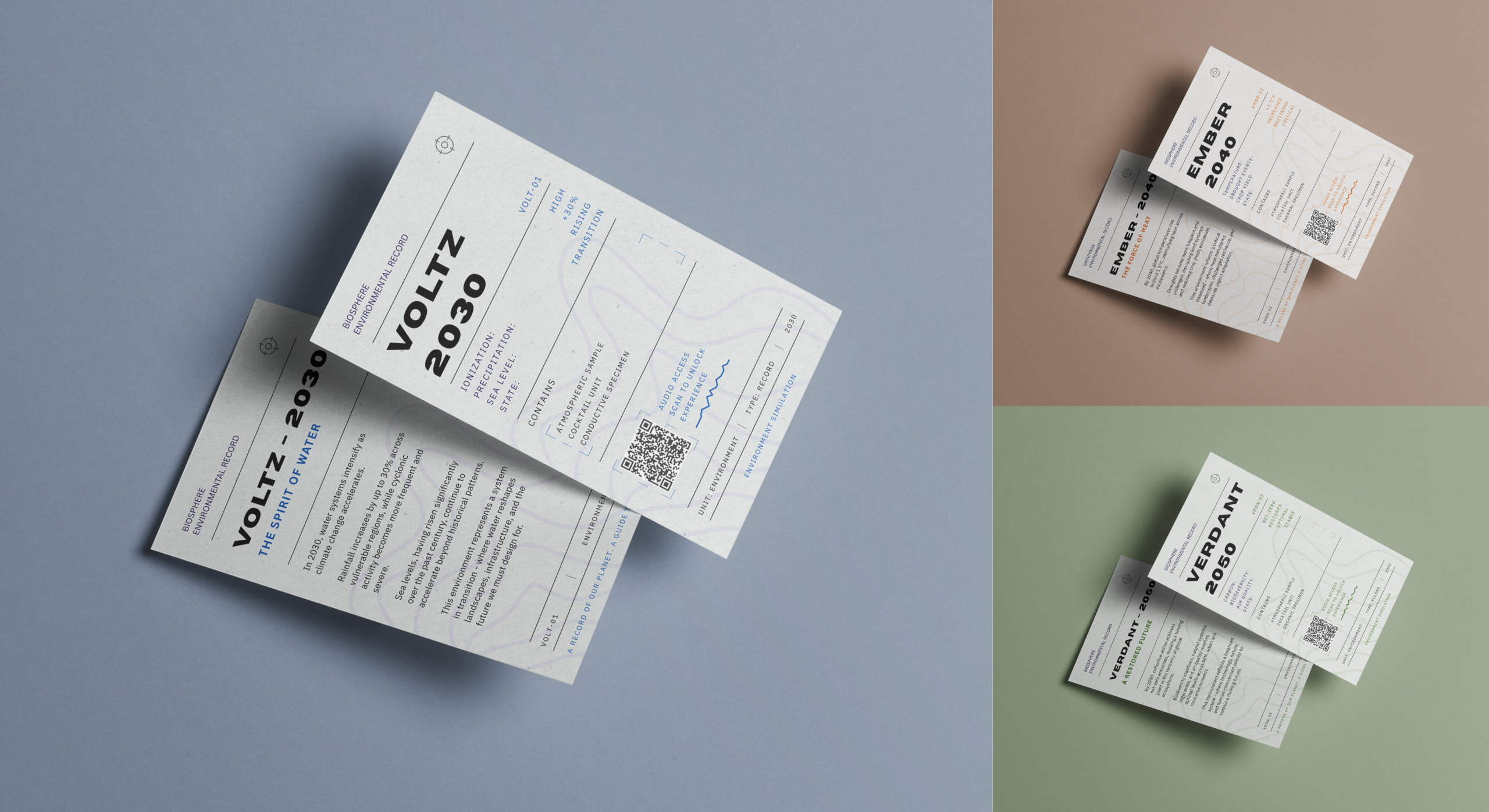
The concept was designed to continue after visitors left. The original presentation proposed a takeaway with cocktail recipes, a curated soundtrack, and fragrances linked to the environments — small, sensory prompts to revisit the experience and share its message.
From concept
to pitch.
The Biosphere progressed from collaborative concept development to a formal presentation to Dell Technologies stakeholders, including the Vice President of Global Experiential Events Marketing & Sponsorships.
The proposal communicated a complete visitor journey, the envisioned physical and digital touchpoints, and the intended educational takeaways.
Project status: Concept / pitch only.
The experience was not constructed or publicly activated. The exhibition environments shown on this page are concept visualisations, including later explorations of the original pitch.
The updated environment names used throughout this case study are Voltz, Ember, and Verdant.